Introduction: Unveiling the North African Regulatory Landscape for Online Gaming
So, you’re curious about the exciting world of online casinos and perhaps you’ve heard whispers about the diverse regulatory environments across the globe. As a beginner, it’s natural to feel a little overwhelmed by all the information out there, especially when considering regions with unique legal frameworks. Today, we’re going to embark on a friendly exploration of online gambling regulations in North Africa – a region often overlooked but with its own fascinating nuances. While you might be more familiar with the offerings of European online casinos, which you can explore further at https://bauhutte-g.com/cs/europske-online-casina, understanding the landscape in other parts of the world can provide valuable context and highlight the importance of responsible play wherever you are. This journey will help you understand why “Severní Afrika regulace” (North African regulation) is a topic worth exploring, even if you’re not planning to gamble there directly. It’s all about becoming a more informed and savvy online player, no matter where your virtual chips might land.
Understanding the Complexities of North African Online Gambling Regulations
When we talk about North Africa, we’re generally referring to countries like Egypt, Morocco, Algeria, Tunisia, Libya, and sometimes Sudan. Each of these nations has its own distinct legal and cultural framework, which profoundly impacts the legality and accessibility of online gambling. Unlike many European countries where online gambling is often regulated and licensed, the situation in North Africa is considerably more complex and, in many cases, restrictive.
A Tapestry of Laws and Cultural Norms
The primary driver behind the restrictive approach to gambling in most North African countries is the strong influence of Islamic law (Sharia). Islam generally prohibits gambling, viewing it as a vice that can lead to addiction, financial ruin, and social discord. This religious and cultural stance is deeply embedded in the legal systems of these nations, leading to outright bans or highly restricted forms of gambling.
Egypt: A Glimmer of Land-Based, but Online is Murky
Egypt, a popular tourist destination, has a more lenient approach to land-based casinos, particularly those catering to foreign visitors. These establishments are often found within luxury hotels. However, when it comes to online gambling, the situation is far less clear. While there isn’t explicit legislation directly addressing online casinos, the general prohibition on gambling often extends to the online realm. Enforcement can be sporadic, but it’s generally understood that participating in online gambling from within Egypt carries risks.
Morocco: A Similar Story with Nuances
Morocco, another tourist magnet, also permits land-based casinos for non-residents. The Moroccan government has historically taken a somewhat ambiguous stance on online gambling. While there are no specific laws legalizing or regulating online casinos, the general gambling laws are interpreted to prohibit it. Internet service providers (ISPs) may sometimes block access to international gambling sites, though this is not always consistently applied.
Algeria, Tunisia, and Libya: Strict Prohibitions
In countries like Algeria, Tunisia, and Libya, the prohibition on gambling is much stricter, both online and offline. These nations have more conservative interpretations of Islamic law, and gambling is generally considered illegal with very few, if any, exceptions. Access to international online gambling sites is often blocked, and individuals found participating in such activities could face legal repercussions. Libya, in particular, has been in a state of political instability, making any form of regulated gambling highly unlikely.
Sudan: An Outright Ban
Sudan, with its strong adherence to Sharia law, has an outright ban on all forms of gambling. This extends unequivocally to online gambling. Any participation in online gambling activities would be considered illegal and could lead to severe penalties.
The Role of International Operators
Despite the restrictive local laws, many international online casino operators still accept players from North African countries. This creates a grey area. While the operators themselves might be licensed in jurisdictions like Malta or Gibraltar, the legality of a player accessing and participating from a country where gambling is prohibited remains a significant concern. Players in such situations are essentially operating outside the protection of their local laws and could face legal consequences if caught.
Practical Advice for Beginners Regarding North African Regulations
For beginners, navigating these complexities can be daunting. Here’s some friendly advice to keep you on the right track:
Prioritize Legality and Safety
The absolute first rule of online gambling, especially when considering regions with ambiguous or restrictive laws, is to prioritize legality and safety. If you are in a North African country, or planning to visit one, assume that online gambling is either illegal or highly discouraged. It’s simply not worth the risk of legal trouble.
Understand “Grey Markets”
When a country doesn’t explicitly regulate online gambling but also doesn’t effectively block it, it’s often referred to as a “grey market.” In such markets, while you might be able to access sites, you do so without local legal protection. This means if you encounter issues with payouts, fairness, or account security, you have very little recourse through local authorities.
Focus on Regulated Markets (Like Europe)
For a safe and secure online gambling experience, especially as a beginner, it’s always best to stick to online casinos that are fully licensed and regulated in reputable jurisdictions. European online casinos, for example, are often subject to strict consumer protection laws, responsible gambling initiatives, and fair play regulations. This provides a much safer environment for players.
Be Wary of Unsolicited Offers
If you receive unsolicited emails or advertisements for online casinos claiming to be legal or operating freely in North African countries, exercise extreme caution. These could be scams or illegal operations that put your personal and financial information at risk.
Responsible Gambling is Universal
Regardless of where you gamble, responsible gambling practices are paramount. Set limits on your spending and time, never chase losses, and view gambling as entertainment, not a way to make money. If you ever feel that gambling is becoming a problem, seek help.
Conclusion: Informed Choices for a Safer Online Experience



 23.5R25 DOUBLE COIN REM-2
Original price was: 488.990 kr..366.990 kr.Current price is: 366.990 kr..
23.5R25 DOUBLE COIN REM-2
Original price was: 488.990 kr..366.990 kr.Current price is: 366.990 kr..
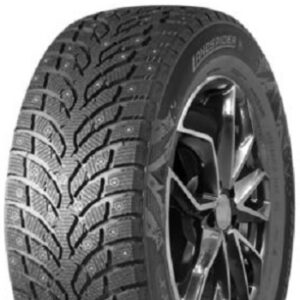 255/45/21 ARCTICTRAXX NEGLD
46.990 kr.
255/45/21 ARCTICTRAXX NEGLD
46.990 kr.
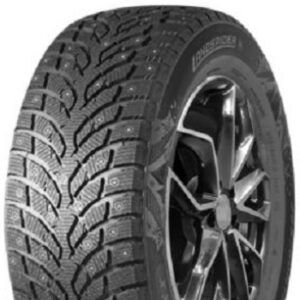 255/45/21 ARCTICTRAXX A+S
42.990 kr.
255/45/21 ARCTICTRAXX A+S
42.990 kr.